This blog post is an essay by Caitlin Flanagan recently published in Atlantic. Here's a link to the original. If colleges were in fact teaching students how to think, she says, then they would be encouraging students to consider the best arguments on the other side of the issue they are most ardent about. Colleges … Continue reading Caitlin Flanagan — Colleges Aren’t Teaching Students How to Think

Category: Higher Education
The High Cost of Playing the Status Game in Elite Higher Education
This post is an essay by Scott Carlson about the high cost of staying competitive at the top of the higher education pyramid, which recently appeared in the Chronicle of Higher Education. Here's a link to the original. Status is everything for universities at the very pinnacle of the highly stratified system of US higher … Continue reading The High Cost of Playing the Status Game in Elite Higher Education
Luck and Pluck — Alternative Stories of Life in the Meritocracy
This post is a piece I published five years ago in Aeon. Here’s the link to the original. I wrote this after years of futile efforts to get Stanford students to think critically about how they got to their current location at the top of the meritocracy. It was nearly impossible to get students to consider … Continue reading Luck and Pluck — Alternative Stories of Life in the Meritocracy
Michael Lewis: Don’t Eat Fortune’s Cookie
In the last few years, I’ve been reading and writing about the American meritocracy, and I’m going to be posting some of these pieces here from time to time. But today I want to post a wonderful statement on the subject by Michael Lewis, which I somehow had missed when it first came out. It’s … Continue reading Michael Lewis: Don’t Eat Fortune’s Cookie
How Not to Defend the Research University
This post is a piece I published in 2020 in the Chronicle Review. Here’s a link to the original. It’s about an issue that has been gnawing at me for years. How can you justify the existence of institutions of the sort I taught at for the last two decades — rich private research universities? These institutions … Continue reading How Not to Defend the Research University
Doctoral Dysfunction
This piece was published in Inside Higher Ed in June, 2020. Here’s a link to the original. It speaks for itself. The argument here seems particularly pertinent in light of the current conflicts on campuses across the country over free speech and the war between Israel and Hamas. DOCTORAL DYSFUNCTION Many doctoral students today are tending to fall into … Continue reading Doctoral Dysfunction
How the Fall of Empire Spurred the Rise of Modernity — and Parallels with the Rise of US Higher Ed
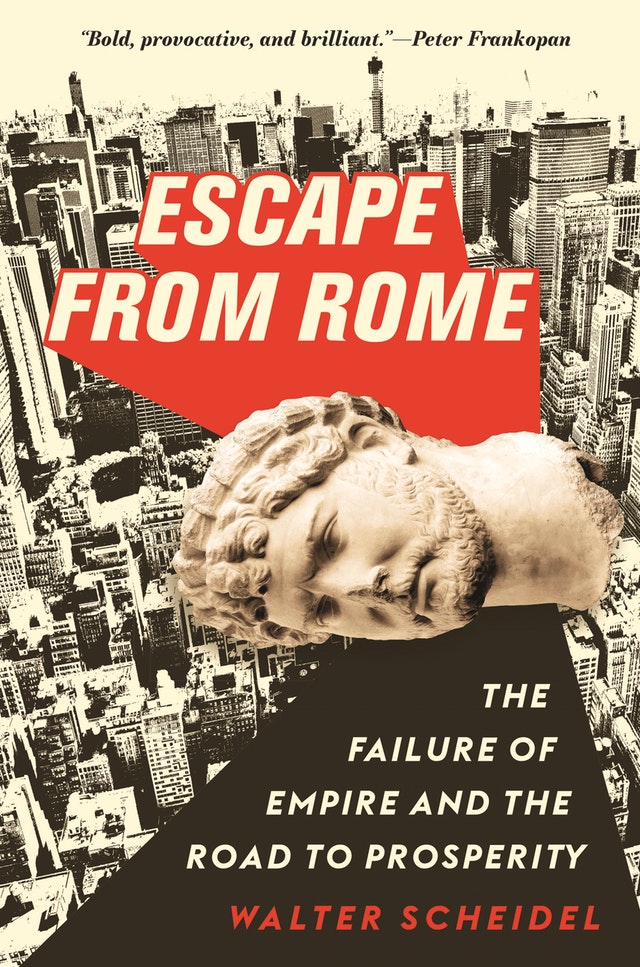
This post is a commentary on historian Walter Scheidel’s book, Escape from Rome. It’s a stunningly original analysis of a topic that has long fascinated scholars like me: how did Europe come to create the modern world? His answer is this: Europe became the cauldron of modernity and the dominant power in the world because … Continue reading How the Fall of Empire Spurred the Rise of Modernity — and Parallels with the Rise of US Higher Ed
Alain de Botton: On Asking People What They “Do”
This lovely essay explores the most common question that modernity prompts strangers to ask each other: What do you do? The author is the philosopher Alain de Botton, who explains that this question is freighted with moral judgment. In a meritocracy, what you do for a living is not just your job; it’s who you … Continue reading Alain de Botton: On Asking People What They “Do”
A Brief History of Europe Culled from Student Papers
This post is a classic essay by Anders Henrikkson, published in Wilson Quarterly. Here's a link to the original. It's comprised entirely from statements about European history drawn from student essays. Anyone who has ever graded exams will recognize the genre. Here are a few of my favorite lines from this piece: The Crusades were a … Continue reading A Brief History of Europe Culled from Student Papers
Lust for Academic Fame
This post is an analysis of the engine for scholarly production in American higher education. The issue is that the university is a unique work setting in which the usual organizational incentives don’t apply. Administrators can’t offer much in the way of power and money as rewards for productive faculty and they also can’t do … Continue reading Lust for Academic Fame