Rosemarie Ostler: The Early Days of American English

This post is a nice essay by Rosemarie Ostler about how American English evolved in the new world.  It draws on her book, The United States of English, and first appeared in Lapham's Quarterly.  Here's a link to the original. She shows how the American version of the language emerged from a variety of sources.  Some … Continue reading Rosemarie Ostler: The Early Days of American English

How the Fall of the Roman Empire Spurred the Rise of Modernity — and What this Suggests about Rise of US Higher Ed

This post is a brief commentary on historian Walter Scheidel's book, Escape from Rome.  It's a stunningly original analysis of a topic that has long fascinated scholars like me:  How did Europe come to create the modern world?  His answer is this:  Europe became the cauldron of modernity and the dominant power in the world … Continue reading How the Fall of the Roman Empire Spurred the Rise of Modernity — and What this Suggests about Rise of US Higher Ed

Nobel Prizes Are Great, but Football Is Why US Universities Rule

This post is a reprint of a piece I published in Quartz in 2017.  Here’s a link to the original.  It’s an effort to explore the distinctively populist character of American higher education.  The idea is that a key to understanding the strong public support that US colleges and universities have managed to generate is their ability to reach beyond … Continue reading Nobel Prizes Are Great, but Football Is Why US Universities Rule

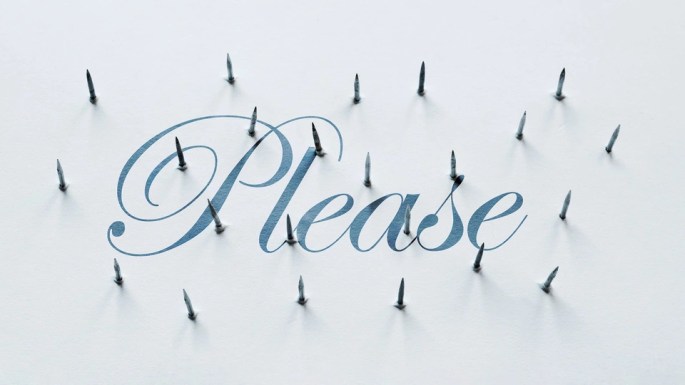
Walter Mimms — How “Please” Stopped Being Polite

This blog post is an essay from Atlantic by Walter Mimms about the peculiar evolution of the word "please" in English usage.  Somehow it evolved from the super-polite "if it please you" to the slightly less formal "if you please" to the polite but simple "please" to the peremptory "would you please move" to the … Continue reading Walter Mimms — How “Please” Stopped Being Polite

Paul Fussell — “Thank God for the Atom Bomb”

This post is a stunning essay by Paul Fussell published in The New Republic in 1981.  Here’s a link to a PDF of the original. On August 2 last year, we observed the 77th anniversary of the atom bomb that destroyed Hiroshima.  This is as good a time at any to revisit the debate about whether this action was … Continue reading Paul Fussell — “Thank God for the Atom Bomb”

Larry Cuban’s Confessions of a School Reformer

This post is a brief promo I wrote for Larry Cuban's wonderful book, Confessions of a School Reformer, which was just published in Kappan.  Here's a link to the original.  They ask Kappan authors to recommend a book in every issue and this was my contribution.  You'll love this book! David Labaree recommends Confessions of a … Continue reading Larry Cuban’s Confessions of a School Reformer

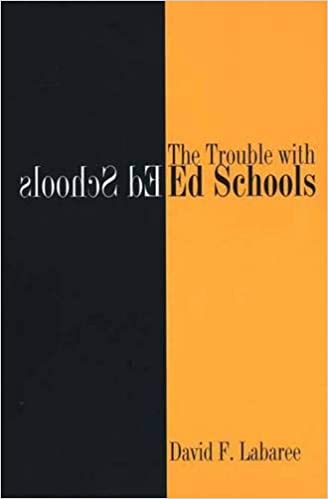
Too Easy a Target: The Trouble with Ed Schools and the Implications for the University

This post is a piece I published in Academe (the journal of AAUP) in 1999.  It provides an overview of the argument in my 2004 book, The Trouble with Ed Schools. I reproduce it here as a public service:  if you read this, you won’t need to read my book much less buy it.  You’re welcome.  Also, looking … Continue reading Too Easy a Target: The Trouble with Ed Schools and the Implications for the University

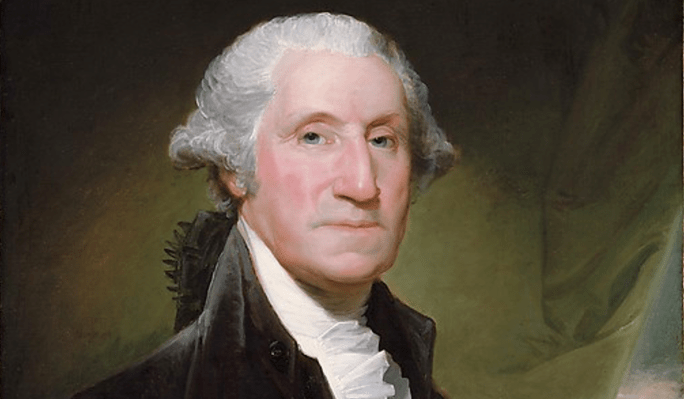
William Galston — When Character Reigned

This post is a lovely essay by William Galston about the importance of character in political life, which was published recently in American Prospect.  Here's a link to the original.   His case in point is George Washington, whose own character was the key to American independence and the formative influence on establishing the American presidency.   … Continue reading William Galston — When Character Reigned

Commentary on James Sweet’s Essay about Historical Presentism

This post is a commentary on an essay by James Sweet, president of the American History Association, which appeared recently on the AHA site, along with an author's note in which he responds to the intensely hostile reaction his essay provoked from other historians on social media in just the two days after the original … Continue reading Commentary on James Sweet’s Essay about Historical Presentism