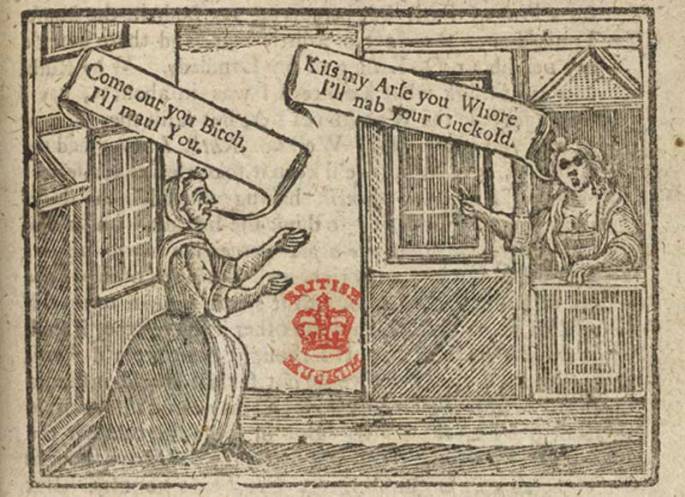
This post is a short essay about language by Suzannah Lipscomb, which was recently published in History Today. Here's a link to the original. In it she traces the history of curse words in English. In medieval English, the most offensive expletives were profanities. More recently they became obscenities. Don't miss the first documented use of … Continue reading Suzannah Lipscomb — The History of Curse Words in English
Category: History
Niall Ferguson — How Complexity Trumps History
This blog post is a recent essay by Niall Ferguson published in the Washington Post. Here's a link to the original. The prompt for the essay is the current surge in inflation and the difficulty of trying to predict how this round of inflation will develop over time. But the most interesting part is the way … Continue reading Niall Ferguson — How Complexity Trumps History
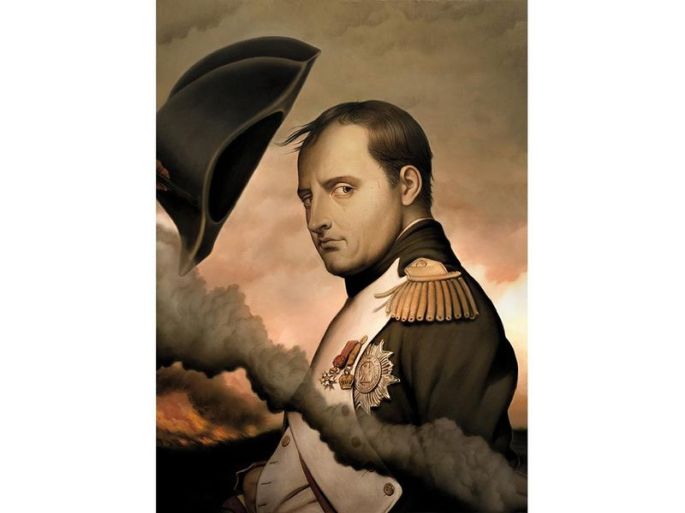
What If Napoleon Had Won at Waterloo
What If Napoleon Had Won at Waterloo Today I want to explore an interesting case of counterfactual history. What would have happened if Napoleon Bonaparte had won in 1815 at the Battle of Waterloo? What consequences might have followed for Europe in the next two centuries? That he might have succeeded is not mere fantasy. … Continue reading What If Napoleon Had Won at Waterloo
The Power of the Alphabet
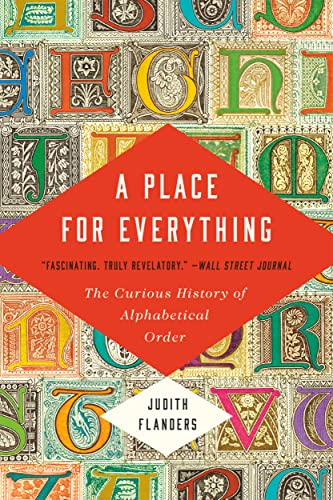
This post is a reflection on a recent book by Judith Flanders, A Place for Everything: The Curious History of Alphabetical Order. The most successful inventions are the ones that look like they've always been there. The age-graded classroom was invented in the mid nineteenth century, but it has come to be seen that the natural … Continue reading The Power of the Alphabet
Matt Yglegias — The Habsburgs Were on to Something
This post is a piece by Matt Yglesias that raises an interesting question. Maybe the Habsburg's Austro-Hungarian empire was not just one of the dead-on-its-feet empires -- along with the Ottoman and Russian empires -- that were finally put of its misery by World War I. His argument is two-fold. In part he's saying that … Continue reading Matt Yglegias — The Habsburgs Were on to Something
Anika Okrent — Pen and Pencil, Male and Female Come from Different Roots
My post today is a short piece by Anika Okrent about some of the many English word pairs that seem to be etymologically related but actually are not. Here's a link to the original. Enjoy. 15 pairs of words that seem etymologically related but aren't There's no bomb in bombast ARIKA OKRENT MARCH 10, 2015 Share … Continue reading Anika Okrent — Pen and Pencil, Male and Female Come from Different Roots
Lincoln’s Second Inaugural Address
My post today is a classic document from American political history, Abraham Lincoln's second inaugural address. He delivered it on March 4, 1865, only 41 days before his assassination. At only 702 words, it's one of the shortest political speeches of all time, but it's amazing to watch how Lincoln deploys these words. The last … Continue reading Lincoln’s Second Inaugural Address
Edward Slingerland on How Drinking Is Essential to Civilization
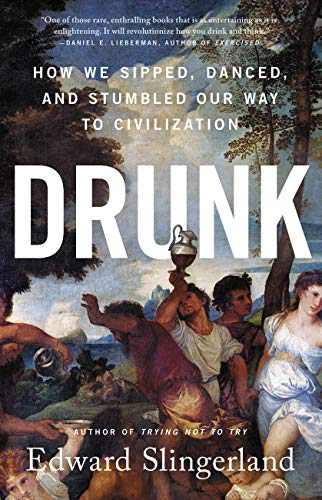
This post is a reflection on Edward Slingerland's new book Drunk: How We Sipped, Danced, and Stumbled Our Way to Civilization. John Tierney wrote a lovely review of the book in City Journal, which I'm reproducing below. Here's a link to the original. After the review, I provide some of my favorite passages from the … Continue reading Edward Slingerland on How Drinking Is Essential to Civilization
Paul Fussell on the Myth of the Good War
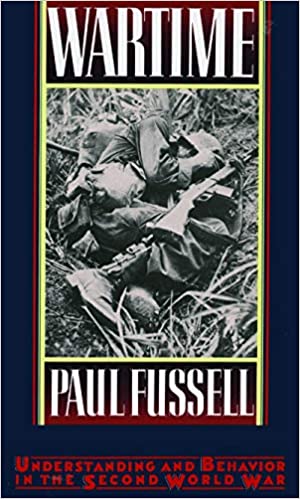
Last week I posted Paul Fussell's essay about his experience as a Second World War platoon leader in the brutal final days of the European campaign. Today I'm posting excerpts from his stunning book, Wartime. The essay focused on his personal experience in the war, but this one focuses on the broader impact the war … Continue reading Paul Fussell on the Myth of the Good War
Johan Huizinga on the Centrality of Play
This post is a reflection on Dutch philosopher Johann Huizinga's classic 1955 work, Homo Ludens: A Study of the Play-Element in Culture. In this stunning book, Huizinga argues that play is central to civilization, that in fact it precedes and forms the basis for human culture. At the start, of course, he needs to define … Continue reading Johan Huizinga on the Centrality of Play