This post is an essay by Joel Stein published two days ago in the New York Times. Here's a link to the original. It's on a theme that will resonate with most writers, especially academic writers. What are your books worth in the publishing market place? Not much. Even AI understands this, as Stein found out. … Continue reading Joel Stein — What Should I Get Paid When a Chatbot Eats My Books?
Category: Writing
Frank Bruni — For the Love of Sentences
This post is a recent column by Frank Bruni in the times, part of his series "For the Love of Sentences." Here's a link to the original. Enjoy. For the Love of Sentences Image Credit...Chang W. Lee/The New York Times In The Autopian, Matt Hardigree explained one carmaker’s advantage: “You don’t buy a Subaru so much as you … Continue reading Frank Bruni — For the Love of Sentences
Frederick Douglass’s “What to the Slave Is the Fourth of July”
I'm posting today one of the greatest speeches ever given, from that master of rhetoric, Frederick Douglass. It demonstrates the power of language to make arguments and change hearts. In a time like ours, when rhetoric is used to promote the worst social ills, it's gratifying to see what it can do in the right … Continue reading Frederick Douglass’s “What to the Slave Is the Fourth of July”
Clay Shirky — Is AI Enhancing Education or Replacing It?
This post is an essay by Clay Shirky that was recently in The Chronicle of Higher Education. Here's a link to the original. Here's the case that helped him crystalize his thoughts about the impact of AI on student learning: Earlier this semester, an NYU professor told me how he had AI-proofed his assignments, only to … Continue reading Clay Shirky — Is AI Enhancing Education or Replacing It?
Tilly: Why? Different Ways that People Give Reasons — and Lessons for Scholars
In this post, I explore the issue of the different ways in which people give reasons to each other. It draws on a lovely little book by sociologist Charles Tilly: Why? What Happens When People Give Reasons...and Why. One of the things that makes his account valuable is how it gives scholars a way of … Continue reading Tilly: Why? Different Ways that People Give Reasons — and Lessons for Scholars
Writing as an Exercise in Arrogance and Humility
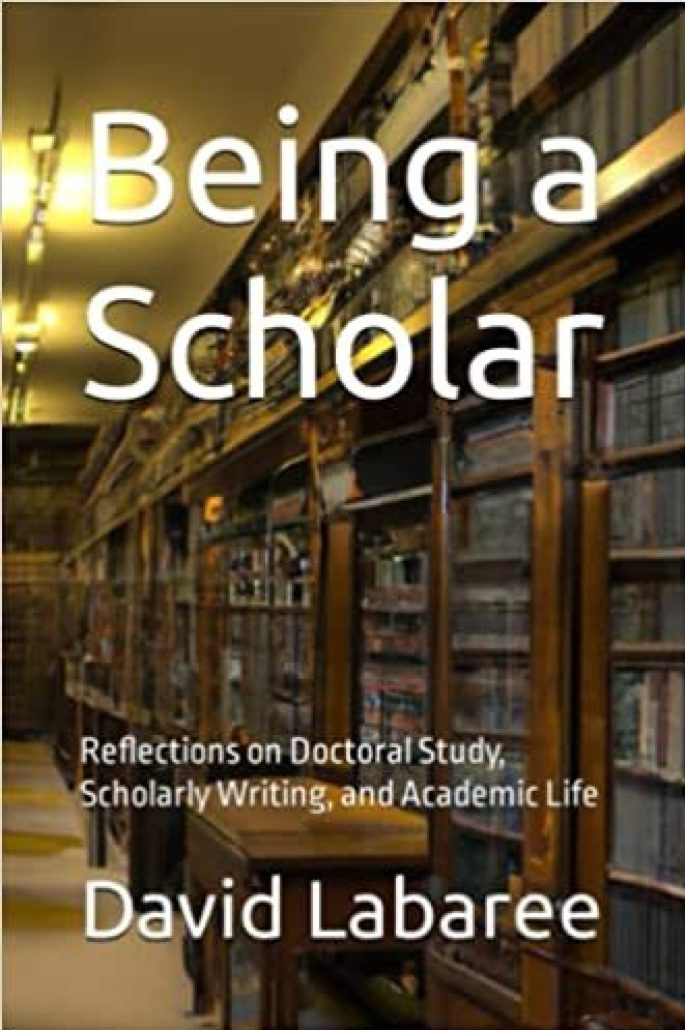
This post is a piece of mine that was published three years ago in Inside Higher Ed. Here’s a link to the original. It's also included in my newish book, Being a Scholar. It’s about an inherent tension in the act of writing between arrogance and humility. AN EXERCISE IN ARROGANCE AND HUMILITY TO BE A … Continue reading Writing as an Exercise in Arrogance and Humility
A Brutal Review of My First Book
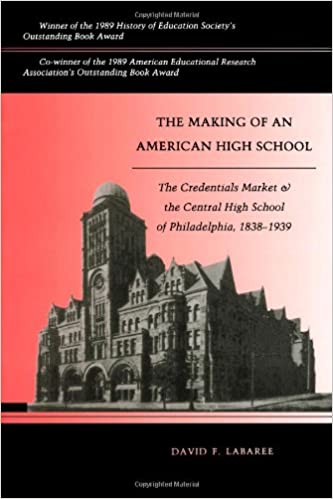
I don't know about you, but I love reading brutal book reviews. It's a lot of fun to watch a skilled writer skewer someone else's work with surgical precision (see here and here). In the interest of balance, I thought it would be right and proper to present a review that eviscerates one of my … Continue reading A Brutal Review of My First Book
The Esthetic Pleasures of Scholarly Writing
Here’s a piece I published several years ago in Inside Higher Ed. Here’s a link to the original. It's also included in my new book, Being a Scholar: Reflections on Doctoral Study, Scholarly Writing, and Academic Life. Hope you like it. THE ESTHETIC PLEASURES OF ACADEMIC WRITING WHILE IT MAY SEEM UNLIKELY, SUCH WRITING CAN ACTUALLY … Continue reading The Esthetic Pleasures of Scholarly Writing
Against the AI Writing Machines
This post is a review by Phil Christman in The Bulwark of a new book by John Warner -- More than Words: How to Think about Writing in the Age of AI. Here's a link to the original. In this essay, Christman and Warner explore a view of writing that I've been thinking about for years: … Continue reading Against the AI Writing Machines
Writing Tips
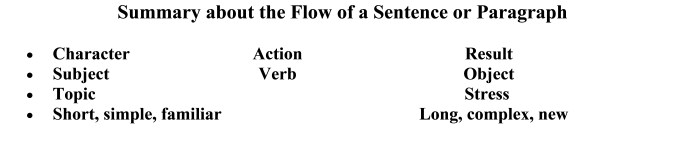
This post is a collection of tips about good writing that I have used in classes over the years. I hope you find them useful. Academic Writing Is a Process of Entering an Ongoing Conversation So you don’t just jump in, you try to situate your argument in the larger conversational arena. Orienting the reader … Continue reading Writing Tips