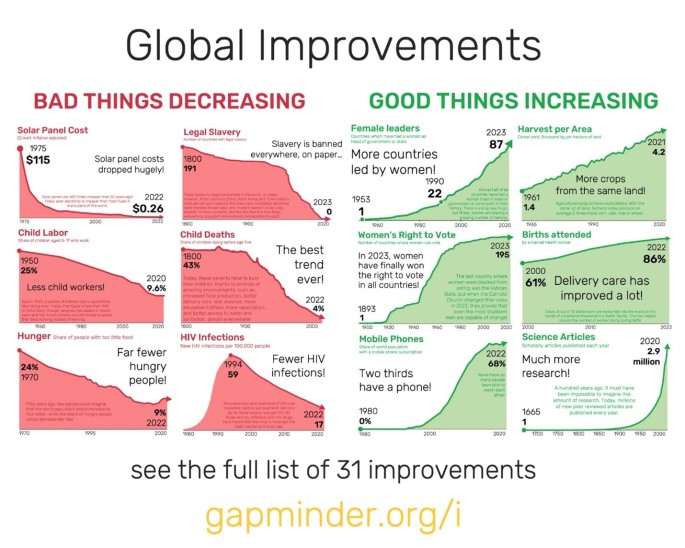
We Live in the Best of Times — Really

            This is my first ever Pollyanna post.  I wrote it last year in order to cheer myself about the world we live in.  I think it still stands up. We Live in the Best of Times             We seem to be in a world … Continue reading We Live in the Best of Times — Really
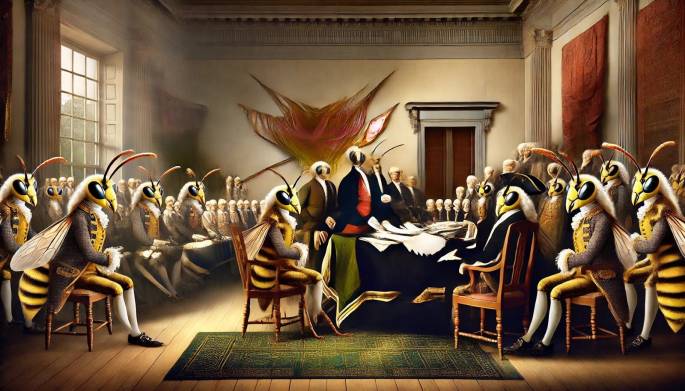
Yascha Mounk — The WASPs Are Gone

This post is an essay by Yascha Mounk from a recent issue of Persuasion.  Here's a link to the original. The issue he raises is that there are worse things than having an inherited leadership class.  The much-maligned WASP aristocrats, who long dominated leadership positions in the US, at least had the decency to take … Continue reading Yascha Mounk — The WASPs Are Gone

Charles Mann — We Live Like Royalty and Don’t Know It

This post is a brief essay by Charles Mann that appeared recently in The Free Press.  Here's a link to the original. His argument is about how we don't appreciate all of the great benefits of the civilization we currently inhabit, which is grounded in the enormous collective accomplishments of our ancestors.  Here's how he … Continue reading Charles Mann — We Live Like Royalty and Don’t Know It

Ian Morris — War! What Is It Good For?

This post is an overview of the 2014 book by Stanford classicist Ian Morris, War! What Is It Good For?  In it he makes the counter-intuitive argument that over time some forms of war have been socially productive.  In contrast with the message of 1970s song by the same name, war may in fact be good for something.  … Continue reading Ian Morris — War! What Is It Good For?

Johann Neem — A Usable Past: Providing a Narrative to House the Facts of American History

This post is an essay by one of my favorite historians, Johann Neem, which appeared two years ago Hedgehog Review.  Here's a link to the original. His topic is the critically important question of how we can create a shared narrative for the American people -- one that incorporates the bad parts without denying the good … Continue reading Johann Neem — A Usable Past: Providing a Narrative to House the Facts of American History

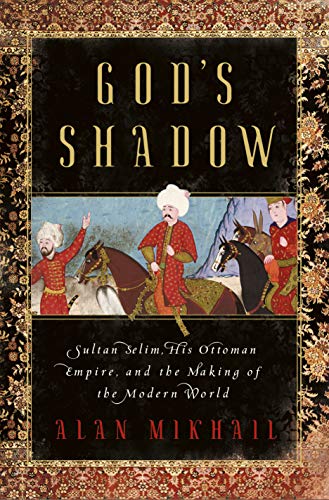
Alan Mikhail — How the Ottomans Shaped the Modern World

This post is a reflection on the role that the Ottoman Empire played in shaping the modern world.  It draws on a new book by Alan Mikhail, God's Shadow: Sultan Selim, His Ottoman Empire, and the Making of the Modern World.   The Ottomans are the Rodney Dangerfields of empires: They don't get no respect.  If … Continue reading Alan Mikhail — How the Ottomans Shaped the Modern World

An Affair to Remember: America’s Brief Fling with the University as a Public Good

This post is an essay about the brief but glorious golden age of the US university during the three decades after World War II.   American higher education rose to fame and fortune during the Cold War, when both student enrollments and funded research shot upward. Prior to World War II, the federal government showed little … Continue reading An Affair to Remember: America’s Brief Fling with the University as a Public Good

Perils of the Professionalized Historian

This is a short piece about the problems that professionalism poses for the academic historian.  History is a different kind of subject, and too often academic rigor gets in the way of telling the kinds of historical accounts that we need. An earlier version was published in 2017 in the International Journal of the Historiography of Education. Perils … Continue reading Perils of the Professionalized Historian

Frederick Douglass’s “What to the Slave Is the Fourth of July”

I'm posting today one of the greatest speeches ever given, from that master of rhetoric, Frederick Douglass.  It demonstrates the power of language to make arguments and change hearts.  In a time like ours, when rhetoric is used to promote the worst social ills, it's gratifying to see what it can do in the right … Continue reading Frederick Douglass’s “What to the Slave Is the Fourth of July”

Max Weber’s “Science as a Vocation”

Today I'm posting Max Weber's classic piece, "Science as a Vocation."  It was originally delivered as a speech at Munich University in 1918.  Its relevance for scholars today is as great as it was then, asking these questions: What does it mean to be a scientist? What are the sources and limits of scientific authority? … Continue reading Max Weber’s “Science as a Vocation”